Address
Work Hours
Monday to Sunday: Open 24/7
Address
Work Hours
Monday to Sunday: Open 24/7
A dry herb vaporizer heats raw botanical material without causing combustion. Users experience clean vapor instead of harsh, toxic smoke. Modern devices target the active compounds in your material precisely. They release terpenes and cannabinoids at controlled thermal levels. This method preserves subtle plant flavors and maximizes material efficiency.
American consumers increasingly choose vaporization over traditional smoking methods. Advanced handheld units offer discreet sessions, rapid heat-up times, and precise temperature adjustments. Desktop models deliver massive power and smooth airflow for home setups. This detailed guide breaks down essential technology, legal regulations, safety checks, and purchasing steps.
Disclaimer: This article serves informational and educational purposes only. It does not provide medical or legal advice. Regulations regarding herbal vaporizers vary across federal, state, and local jurisdictions. Always verify local laws and consult a certified healthcare professional before using botanical devices.
Conduction heating places dry herb in direct physical contact with a hot chamber wall. This direct thermal transfer warms the material quickly like a hot pan on a stove. Conduction devices typically feature fast startup times and compact physical builds. However, direct surface contact often creates uneven extraction throughout your session. Users must stir the chamber content periodically to ensure complete material usage.
Convection heating passes preheated air through the ground plant matter during draw activation. The heating element never touches the botanical herbs directly during the process. This air-based technique isolates pure flavors and delivers exceptionally smooth, even extraction. Convection units demand precise air paths, leading to larger device frames and premium price tags. They reward steady draw speeds with thick, flavor-rich vapor clouds.
Hybrid heating systems merge conduction chamber walls with convection airflow for maximum efficiency. The conductive bowl provides instant base heat, while hot air pulls through the chamber. This dual method produces dense vapor instantly while preventing dark hot spots. Modern flagship portables rely on hybrid engines to balance battery life, speed, and flavor. Hybrid technology represents the most user-friendly standard for beginner and expert consumers alike.
                     ┌─────────────────────────────────────────┐
                     │          HEATING METHOD TRADEOFFS       │
                     └─────────────────────────────────────────┘
          ┌──────────────────────┬──────────────────────┬──────────────────────┐
          │  CONDUCTION HEATING  │  CONVECTION HEATING  │    HYBRID HEATING    │
          ├──────────────────────┼──────────────────────┼──────────────────────┤
          │ Direct Wall Contact  │ Heated Airflow Only  │ Dual Contact & Air   │
          │ Fast Heat-Up Time    │ Purest Terpene Taste │ Rapid Dense Clouds   │
          │ Requires Stirring    │ Zero Hot Spots/Burns │ Maximum Extraction   │
          └──────────────────────┴──────────────────────┴──────────────────────┘
Temperature control defines the overall density, flavor, and physiological impact of your vapor. Low heat settings between $320^\circ\text{F}$ and $356^\circ\text{F}$ ($160^\circ\text{C}$ to $180^\circ\text{C}$) target delicate terpenes. These light temperatures yield crisp, aromatic hits without heavy physical drowsiness. Flavor enthusiasts prefer low settings to enjoy subtle botanical profiles. The vapor remains light, clear, and very gentle on your throat.
Medium heat settings spanning $356^\circ\text{F}$ to $392^\circ\text{F}$ ($180^\circ\text{C}$ to $200^\circ\text{C}$) balance flavor with cloud production. This sweet spot extracts major cannabinoids efficiently while retaining rich natural taste. Most everyday users lock their devices into this precise thermal range. The resulting vapor feels satisfying, visible, and smooth during extended inhalations.
High temperatures ranging from $392^\circ\text{F}$ to $430^\circ\text{F}$ ($200^\circ\text{C}$ to $221^\circ\text{C}$) deliver maximum compound extraction. Higher heat produces thick, dense vapor clouds that mirror traditional smoke profiles. However, temperatures exceeding $446^\circ\text{F}$ ($230^\circ\text{C}$) risk scorching plant matter and triggering harsh combustion. Digital screens with single-degree adjustment allow exact control over your personal thermal preferences.
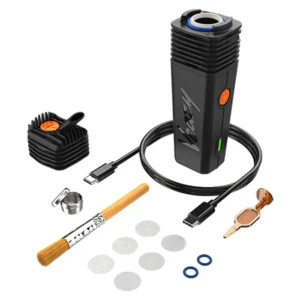
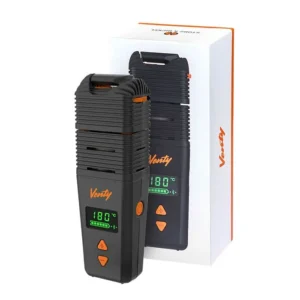
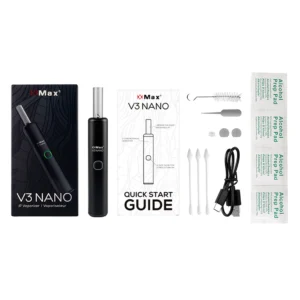
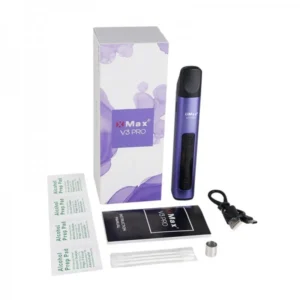
Portable vaporizers suit active lifestyles through compact designs and internal rechargeable batteries. Modern handheld devices slip easily into pockets or small bags for travel. Fast USB-C charging ports and swappable lithium-ion batteries reduce device downtime significantly. Pocket-sized models offer discrete operation for private outdoor or on-the-go sessions. However, compact battery footprints naturally limit total heater output and session lengths.
Desktop vaporizers plug directly into home wall outlets for unrestricted electrical power. Stationary units house massive heating elements that sustain constant temperatures indefinitely. Users draw vapor through flexible silicone whips or fill detachable forced-air balloons. Desktop machines accommodate large herbal loads, making them ideal for heavy home use or group sharing. These heavy-duty stationary systems deliver unmatched cloud density and lifelong durability.
Choosing between portable and desktop hardware depends on your daily consumption routine. Portability offers immediate convenience, discreet personal use, and lightweight carry options. Desktop units provide raw heating power, zero battery management, and superior vapor cooling. Many dedicated American consumers maintain both styles to cover home and travel needs. Your personal budget, lifestyle, and session habits will dictate the perfect device category.
Vapor path construction directly affects the purity, safety, and taste of every hit. High-grade devices feature isolated air paths made of food-grade ceramic, quartz, or borosilicate glass. Isolated paths completely isolate incoming air from internal batteries, wiring, and circuit boards. Inexpensive devices with cheap plastic paths can release foul off-flavors and toxic chemical fumes. Premium materials ensure that you inhale only clean, unadulterated plant vapor.
Chamber construction relies heavily on medical-grade stainless steel, anodized aluminum, or high-tech ceramics. Ceramic ovens distribute thermal energy evenly while resisting dark residue buildup. Stainless steel chambers withstand intense daily heat cycles without degrading or rusting over time. Heat-resistant zirconia mouthpieces protect lips from thermal discomfort during prolonged vaping sessions. Checking device material specifications protects consumer health and guarantees long-term durability.
Safety certifications provide critical proof of electrical and thermal structural engineering integrity. Look for official safety marks including UL, CE, and RoHS certifications on product packaging. These independent ratings confirm proper battery management, short-circuit protection, and thermal runaway prevention. Reputable manufacturers publish thorough compliance certificates to verify device build quality. Investing in safety-tested hardware shields consumers from dangerous battery failures and hazardous material off-gassing.
The Prevent All Cigarette Trafficking (PACT) Act regulates the online sale and shipping of vaporizers in the United States. Federal rules require electronic delivery device retailers to comply with strict shipping guidelines. Online stores must utilize age-gated delivery services with adult signature requirements upon final drop-off. These strict shipping standards prevent underage access and enforce federal trade compliance across state lines. Consumers should expect clear ID verification checks when purchasing dry herb vaporizers online.
Age verification software checks buyer identity databases during checkout on legal American retail websites. Online storefronts verify full names, birth dates, and residential addresses against official public records. Buyers must be at least 21 years old to complete vaporizer transactions across most US states. Legitimate retailers enforce mandatory 21+ age gates before granting access to product catalogs. Compliance with state and federal age limits remains a mandatory pillar of the legal American vape industry.
State regulations create additional legal frameworks regarding dry herb vaporizer ownership and commerce. Some individual states classify herbal vaporizers under general tobacco accessory laws, while others view them as legal cannabis hardware. Retailers must navigate varying state tax requirements, local delivery bans, and business licensing rules. Purchasing from licensed American vendors guarantees that your shipment meets all federal, state, and local transport laws. Always verify state accessory rules before traveling across state borders with your device.
References and Citations
Camouflet Research Team. Dry Herb Vaporizer Buying Guide: Temperature Control, Airflow, and Extraction Dynamics. Camouflet Educational Publications, 2026.
Vape Experts Editorial Board. How to Choose a Dry Herb Vaporizer: Conduction vs. Convection and Materials Guide. Vape Experts Consumer Reports, 2026.
Planet of the Vapes. Best Dry Herb Vaporizers for Heavy Hitters: Cloud Density and Heating Systems Breakdown. Planet of the Vapes Publications, 2026.
Elev8 Vaporizers. Dry Herb Vaporizer Buyer’s Guide: Desktop vs. Portable Hardware Analysis. Elev8 Educational Portal, 2025.
To The Cloud Vapor Store. Ultimate Vaporizers Buyer’s Guide: Battery Safety, Isolated Airpaths, and Control Interfaces. To The Cloud Retail Guides, 2025.
Showing all 9 results