Address
Work Hours
Monday to Sunday: Open 24/7
 Skip to content
Address
4418 Lost Hills Dr, Elmendorf, TX 78112. USA
Work Hours
Monday to Sunday: Open 24/7
Lab tested , Legally Compliant THC Vapes Online
Explore premium THC vapes with smooth flavors and reliable potency. Lab-tested disposable THC Vape Pens for fast-acting, high-quality cannabis experiences. WORLDWIDE DELIVERY!
High Quality
High quality THC Vapes, premium standards, trusted suppliers and secure checkout
Fast Delivery
Enjoy quick and reliable shipping WORLDWIDE with real-time tracking
24/7 Customer Support
Get fast, friendly assistance whenever you need help with orders, questions, or support.
THC VAPES are portable devices that heat cannabis concentrates into an inhalable vapor. These products deliver tetrahydrocannabinol, the main psychoactive compound in cannabis. In the USA, THC VAPES come as prefilled cartridges, disposable pens, or refillable systems. Most use 510-thread batteries that power a heating coil. The oil inside often consists of distillate or live resin with natural terpenes for flavor. Concentrates in THC VAPES typically range from 40 to 90 percent THC, far stronger than flower. This content serves legal and educational purposes only. Always check local laws before use.
THC VAPES work through simple heating. A battery activates a coil or ceramic element inside the cartridge. This warms the oil to temperatures that create aerosol without burning it. Users inhale the vapor, and effects begin within minutes as THC enters the bloodstream through the lungs. Clean formulations contain only cannabis extract and terpenes. Avoid products with vitamin E acetate or other additives linked to past lung injuries. Regulated, lab-tested THC VAPES from licensed sources offer greater safety than unregulated ones. Individual results vary widely.
In the USA, federal law still classifies most marijuana-derived THC as Schedule I, yet many states allow medical or adult-use sales of THC VAPES through licensed dispensaries. Hemp-derived versions remain available under current Farm Bill rules until late 2026 changes take effect. Buy only age-restricted, tested products. This article provides educational information and does not constitute medical advice. Consult a healthcare professional before using any cannabis product. References include CDC reports on vaping risks and state cannabis program guidelines. Stay informed on evolving regulations.
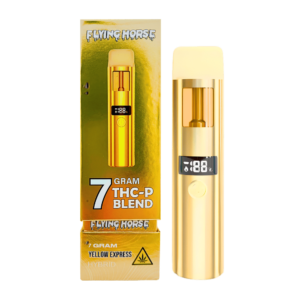
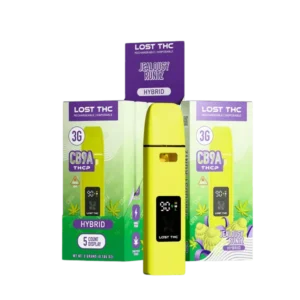
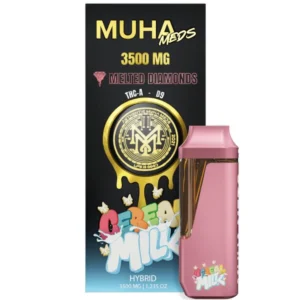
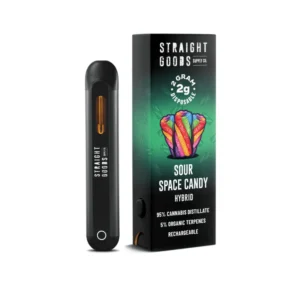
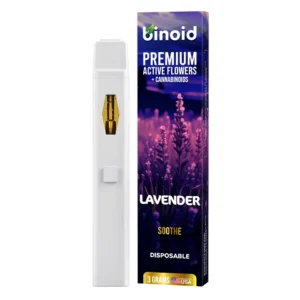


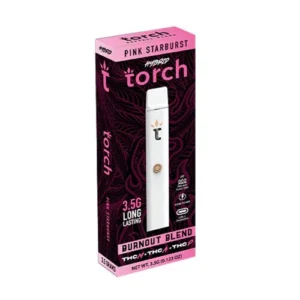
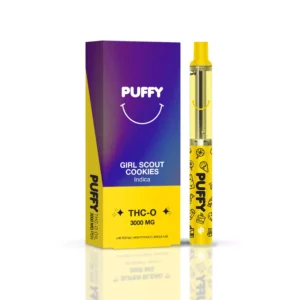
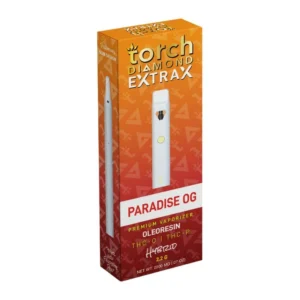
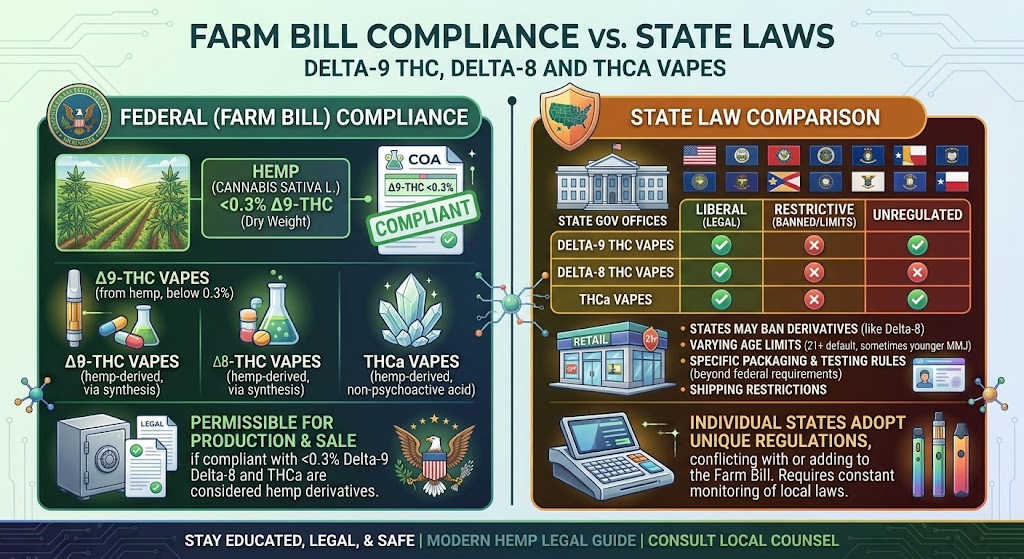
THC VAPES face a complex federal landscape in the USA. Marijuana-derived products remain Schedule I controlled substances under federal law. Hemp-derived versions currently qualify if they stay at or below 0.3 percent delta-9 THC by dry weight under the 2018 Farm Bill. That standard changes soon. On November 12, 2026, synthetic cannabinoids lose hemp status. On December 11, 2026, the rule shifts to total THC, including THCA, plus a strict 0.4 milligram total THC cap per container. Businesses must track these dates closely. This information serves legal and educational purposes only.
State laws create another layer for THC VAPES. Many states run licensed medical or adult-use programs that allow sales through dispensaries. Others ban or tightly restrict intoxicating hemp products already. Texas, Missouri, Illinois, and Virginia enforce stricter rules than the current federal floor. A product legal in one state may violate another state’s code or face shipping bans under the PACT Act. Dual compliance is essential. Companies verify both federal status and every target state’s rules before marketing or shipping. Searchers stay safer when businesses follow this dual-check process.
Businesses selling THC VAPES confirm compliance through third-party lab testing, proper labeling, age-gate systems, and licensed distribution channels. Unregulated products raise safety risks, including past EVALI cases tied to unsafe additives. Always consult qualified legal counsel for specific operations. This article offers educational content only and does not provide legal or medical advice. Regulations continue to evolve. References include Public Law 119-103, the Controlled Substances Act, and current state cannabis statutes. Stay informed to protect consumers and maintain lawful operations
THC VAPES derived from hemp currently follow the 2018 Farm Bill standard. Products stay federally legal when delta-9 THC measures at or below 0.3 percent by dry weight. Delta-8 and THCa vapes often qualify under this rule today because testing focuses only on delta-9. That changes quickly. On November 12, 2026, fully synthetic cannabinoids lose protection. On December 11, 2026, total THC including THCa counts toward the limit, and finished products face a 0.4 milligram cap per container. Businesses track these federal deadlines closely. This content is for legal and educational purposes only.
State laws frequently override the federal hemp standard for THC VAPES. Many states already ban or restrict delta-8, delta-10, HHC, and high-THCa products. Texas treats certain non-delta-9 cannabinoids as Schedule I. Missouri and Illinois impose tighter rules effective November 12, 2026. Virginia enforces low per-package caps. A product that meets the current federal 0.3 percent delta-9 threshold may still violate state code. Companies must verify both layers before selling or shipping. Searchers benefit when businesses respect these differences. Always confirm local rules in advance.
Compliance for THC VAPES requires dual review of Farm Bill rules and state restrictions. Lab tests must confirm delta-9 levels now and prepare for total-THC calculations later. Age gates, proper labeling, and licensed channels remain essential. Unregulated products carry higher risks. This article provides educational information only and is not legal or medical advice. Consult qualified counsel for business decisions. References include Public Law 119-103, the 2018 Farm Bill, and current state hemp statutes. Regulations evolve fast. Stay updated to protect consumers and maintain lawful operations across the USA
THC VAPES face a patchwork of state rules across the USA. Searchers often check Texas, California, and Florida first. In Texas, only compliant hemp delta-9 products remain legal at registered retailers. Delta-8, THCA flower, and many converted cannabinoids became Schedule I on July 31, 2026. California restricts intoxicating hemp products outside licensed cannabis channels under AB 8. Florida permits certain hemp-derived THC items for adults 21 and over with testing requirements. Always verify the latest local code before purchase. This guide serves legal and educational purposes only.
Shipping THC VAPES adds extra layers of compliance. Interstate transport of marijuana remains federally illegal. Many carriers refuse cannabis-related packages. USPS bans nearly all THC or CBD vapor devices. Private carriers impose lithium battery rules and often block hemp THC shipments. In-state purchases through licensed dispensaries avoid most shipping hurdles in legal adult-use states. Online sellers must block restricted destinations. Businesses confirm both origin and destination laws. Searchers stay safer by buying locally when possible. Regulations change frequently.
Key points for THC VAPES include age verification at 21, lab-tested products, and state-specific potency limits. Some states ban inhalable hemp forms outright. Others fold them into regulated cannabis markets. Federal changes on December 11, 2026, will further restrict most high-THC hemp items. This article provides educational information only and is not legal or medical advice. Consult local authorities or qualified counsel. References include current state hemp statutes, Public Law 119-103, and carrier policies. Stay informed to protect yourself and remain compliant.
THC VAPES require strict age verification to meet USA standards. Federal Tobacco 21 rules set the minimum age at 21 for related vapor products. The PACT Act demands more for online sales. Sellers collect the buyer’s full name, date of birth, and address. They verify this data against commercial databases before the sale completes. Simple checkboxes no longer satisfy regulators. Third-party identity tools provide stronger proof. These steps build site integrity and support Google’s trust signals for 21-plus restricted products. This content is for legal and educational purposes only.
PACT Act compliance adds delivery rules for many vapor shipments. Packages often require an adult signature and government-issued photo ID at the door. USPS bans most vape devices, including many hemp and THC versions. Private carriers apply similar restrictions and lithium-battery rules. Businesses register with ATF and state tax authorities when shipping covered products. Proper labeling and recordkeeping complete the process. These controls protect minors and reduce legal risk. Searchers expect clear age gates on sites selling THC VAPES. Regulations remain active in 2026.
Strong ID checks and age gates show responsible operations for THC VAPES. Sites that use verified systems signal compliance and safety. Weak pop-ups invite scrutiny from regulators and search engines. Always confirm both federal and state requirements before selling. This article offers educational information only and is not legal or medical advice. Consult qualified counsel for specific business practices. References include the PACT Act, ATF guidance, and current FDA Tobacco 21 rules. Stay updated to maintain lawful, trusted sales across the USA.
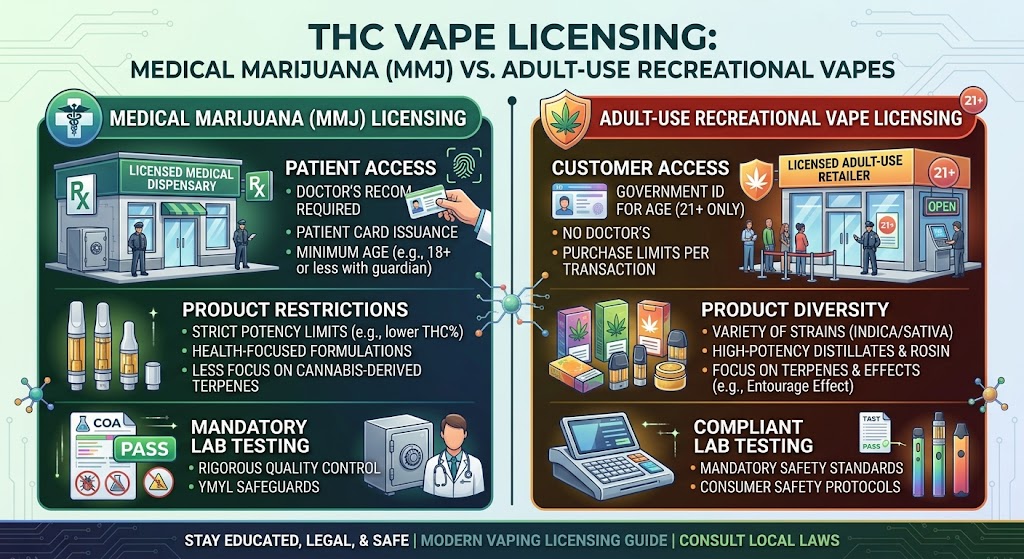
THC VAPES fall under two main licensed channels in the USA. Medical marijuana programs require a physician recommendation and state registry card. Patients access products only through licensed medical dispensaries. Many states allow medical patients age 18 and older. Adult-use recreational sales serve adults 21 and up without a medical card. These operate through separate licensed recreational dispensaries. Clear separation helps Google categorize content accurately. This article is for legal and educational purposes only.
Licensing rules differ sharply between the two markets. Medical THC VAPES often face different tax rates, possession limits, and product form rules. Some states offer higher potency options or broader selections for patients. Recreational products follow adult-use regulations with standard 21-plus age gates. Federally, state-licensed medical marijuana moved to Schedule III in 2026. Recreational cannabis remains Schedule I. Interstate e-commerce stays heavily restricted for both. Businesses must hold the correct state licenses for each channel.
Searchers looking for THC VAPES benefit from understanding these distinctions. Medical patients use their cards at dispensaries. Recreational buyers shop adult-use stores. Online sales remain limited and state-specific. Always verify local licensing and age rules before purchase. This content provides educational information only and is not legal or medical advice. Consult qualified professionals for personal decisions. References include current state cannabis statutes and the 2026 federal Schedule III order for medical products. Stay informed on evolving regulations
THC VAPES demand strong safety testing because users inhale the vapor directly into the lungs. Regulated products in legal states undergo third-party lab analysis before sale. Labs check potency, residual solvents, pesticides, heavy metals, and microbial contaminants. Certificates of Analysis, or COAs, document these results for each batch. Consumers should review the COA before purchase. Unregulated products lack these safeguards and carry higher risks. This information supports consumer safety and Google E-E-A-T signals. The content is for legal and educational purposes only.
Quality assurance focuses on known hazards in THC VAPES. Vitamin E acetate linked to the 2019 EVALI outbreak remains a key screening target. Residual solvents from extraction must fall below safe limits. Heavy metals such as lead, arsenic, cadmium, and mercury are tested because hardware can leach them. Pesticide residues concentrate during oil production. Clean products use only cannabis extract and terpenes without thinning agents. Licensed dispensary products follow state-mandated panels. Independent ISO-accredited labs provide the most reliable results.
Buyers protect themselves by choosing tested THC VAPES from licensed sources. Full-panel COAs confirm the product meets current standards. Avoid items without clear testing data. Hardware quality also matters because coils and tanks can introduce metals. This article offers educational information only and is not medical advice. Consult a healthcare professional for personal health questions. References include state cannabis testing rules, CDC EVALI findings, and current laboratory best practices. Prioritize verified safety data when selecting products.
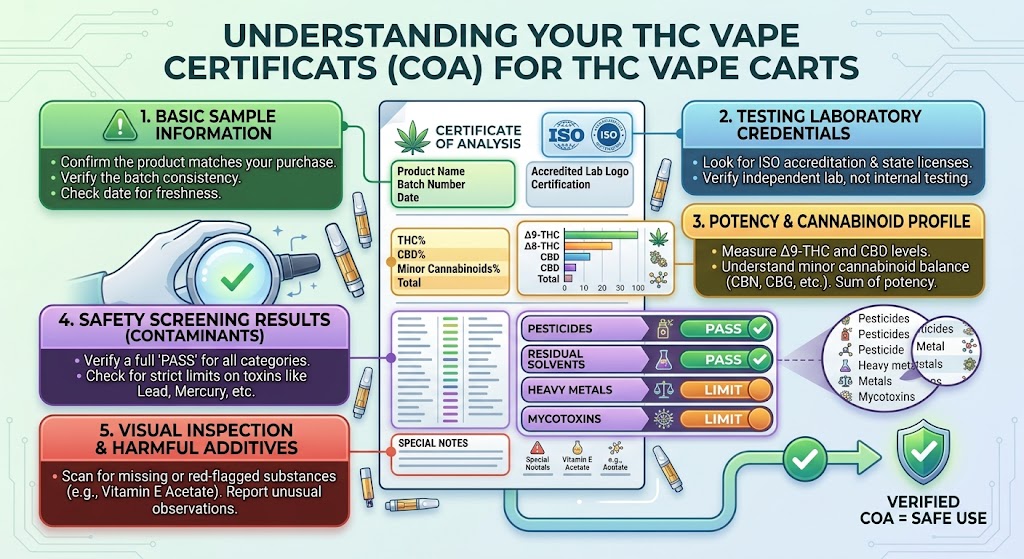
A Certificate of Analysis, or COA, answers key safety questions for THC VAPES. Reputable sellers link a batch-specific COA from an independent lab. Confirm the lab holds ISO accreditation and the test date is current. Match the product name and batch number to your cart. The potency section shows total THC, THCa, CBD, and other cannabinoids. Accurate potency data helps you know exactly what you inhale. This step builds trust and supports informed use. The content is for legal and educational purposes only.
Next, examine the contaminant results on the COA for THC VAPES. Residual solvents must read non-detect or stay under action limits. Vitamin E acetate screening remains essential after past lung injury cases. Pesticide panels should clear every listed compound. Heavy metals such as lead, arsenic, cadmium, and mercury need to pass. Microbial and mycotoxin tests confirm purity. A complete full-panel COA signals responsible manufacturing. Incomplete or missing tests are clear red flags.
Always verify the COA before using any THC VAPE cart. Licensed state products follow stricter testing rules than unregulated ones. Cross-check results against the physical product. This practice answers common safety queries about lab testing and contaminants. The article offers educational information only and is not medical advice. Consult a healthcare professional for personal health concerns. References include current state cannabis testing standards and independent laboratory guidelines. Prioritize verified COAs to protect your health.
Hardware quality matters for THC VAPES because heating elements can leach metals into the oil and vapor. Cheap cartridges often use low-grade alloys in coils, pins, and solder joints. Research shows nickel, chromium, lead, copper, and tin can migrate during storage and use. These metals appear in both the liquid and the inhaled aerosol. Higher temperatures and longer contact times increase the risk. Consumers should prioritize devices with full heavy-metal testing. This content is for legal and educational purposes only.
Ceramic coils and cotton wicks each present different profiles in THC VAPES. Ceramic cores provide more even heat and often preserve terpenes better. Cotton wicks can deliver solid flavor but may burn if the oil runs low. Studies find no consistent advantage for ceramic in reducing total metal content. Metals frequently come from surrounding hardware such as connector pins and housings rather than the wick itself. Both designs require careful manufacturing to limit leaching. Independent lab tests remain the best verification tool.
Choose THC VAPES with transparent hardware details and complete Certificates of Analysis. Look for expanded heavy-metal panels that include nickel and tin, not just the basic four. Avoid products without clear testing data. Quality hardware reduces exposure risk for inhaled products. This article provides educational information only and is not medical advice. Consult a healthcare professional for personal concerns. References include peer-reviewed studies on metal leaching and current laboratory testing practices. Prioritize verified safety when selecting carts.
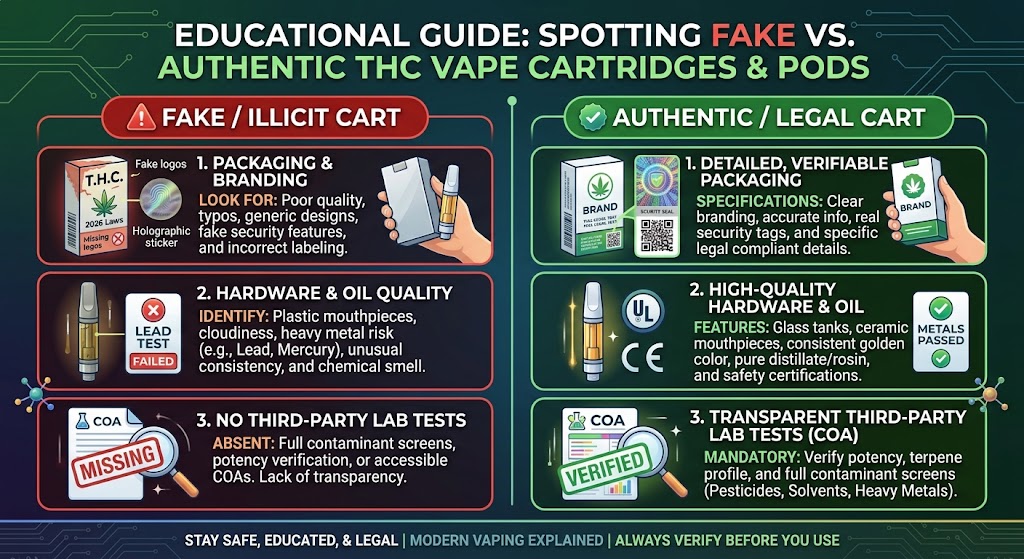
Spotting authentic THC VAPES starts with the packaging. Legitimate products show sharp printing, correct logos, and clear batch numbers. Look for state-required warning labels and child-resistant features. Blurry text, misspellings, or missing license numbers signal counterfeits. QR codes or verification stickers should link to real data. Compare the design to official brand photos online. Cheap street or online deals often hide fakes. This content is for legal and educational purposes only.
Next, verify the Certificate of Analysis for THC VAPES. Scan any code or enter the batch number on the brand’s official site. Confirm the lab is accredited and the test date is recent. A real COA covers potency plus residual solvents, pesticides, and heavy metals. Fake reports often lack full panels or show mismatched batch details. Oil in authentic carts appears clear to light amber and moves slowly. Watery, dark, or cloudy oil raises serious concerns.
The strongest protection is buying THC VAPES only from licensed dispensaries. Regulated retailers sell tested products with full traceability. Avoid unverified online sellers or street sources. Cross-check every detail before use. This article provides educational information only and is not medical advice. Speak with a healthcare professional about any health questions. References include current industry verification guides and state compliance standards. Prioritize licensed sources to reduce counterfeit risks.
Propylene glycol, vegetable glycerin, and other artificial fillers also raise questions for THC VAPES. These carriers appear in some nicotine products but serve no purpose in pure cannabis oil. They can dilute potency and alter vapor quality. MCT oil and similar thinning agents create similar concerns. High-quality carts need no added fillers. Full-panel Certificates of Analysis confirm the absence of these substances. Consumers who prioritize purity choose products tested free of residual solvents and additives.
Pure, unadulterated oil remains the gold standard for THC VAPES. Brands that publish transparent COAs and avoid all cutting agents demonstrate strong consumer focus. Always verify residual solvent results before use. This article offers educational information only and is not medical advice. Consult a healthcare professional for personal health concerns. References include CDC EVALI findings and current laboratory testing standards. Choose verified pure formulations to support safer experiences.
THC VAPES come in several distinct form factors. Pre-filled cartridges screw onto reusable 510-thread batteries. Disposable pens combine the battery and oil in one sealed unit. Pod systems use proprietary magnetic or snap-in designs. Each style offers different convenience and cost trade-offs. Cartridges allow battery upgrades and longer use. Disposables require no maintenance. Understanding these structural differences helps buyers match the device to their needs. This content is for legal and educational purposes only.
Heating technology shapes the experience with THC VAPES. Ceramic coils deliver even heat and preserve terpene flavor. Cotton or traditional wire coils heat faster but can burn if oil runs low. Airflow design and tank material also matter. Glass or ceramic tanks resist leaching better than some plastics. Voltage control on batteries lets users adjust vapor density. Higher-quality hardware reduces the chance of metal exposure during heating. Always check for solid construction and smooth threading.
Choose THC VAPES with clear hardware details and verified testing. Look for reliable connectors, leak-resistant seals, and consistent draw. Form factor affects portability and daily convenience. This article provides educational information only and is not medical advice. Speak with a healthcare professional about any personal concerns. References include current industry hardware standards and laboratory safety research. Match the device structure to your preference for the best results.
THC VAPES offer three main hardware options. 510-thread batteries accept standard screw-on cartridges from many brands. Proprietary pod systems use brand-specific magnetic or snap-in pods that only fit matching devices. Disposable units combine the battery and oil in one sealed package. Each design affects compatibility and convenience. 510 systems give the widest cartridge choice. Pods often deliver tighter airflow and cleaner draws. Disposables require zero setup. Understanding these differences helps buyers avoid mismatched gear. This content is for legal and educational purposes only.
Compatibility drives the decision for THC VAPES. A 510-thread battery works with most third-party carts as long as the oil and coil match the voltage range. Proprietary pods lock users into one brand’s ecosystem but often feature better seals and temperature control. Disposables eliminate compatibility questions entirely. They last until the oil runs dry and then go into the trash. Battery life, voltage settings, and draw style vary across all three. Check the device specs before purchasing any cartridge or pod.
Choose the THC VAPE form factor that matches your routine. Frequent users often prefer rechargeable 510 batteries for flexibility. Occasional users like the simplicity of disposables. Brand-loyal buyers may stick with proprietary pods. Always verify product testing and hardware quality. This article provides educational information only and is not medical advice. Consult a healthcare professional for personal concerns. References include current industry hardware standards and consumer safety guidelines. Match the system to your needs for the best experience.
Distillate leads the budget category for THC VAPES. Producers use solvents to strip the plant down to near-pure THC. The result is a clear, high-potency oil that often needs added terpenes for flavor. Distillate delivers strong effects but lacks the full plant profile. It remains the most common and affordable option on the market. Many entry-level carts rely on this refined concentrate. Understanding the process helps buyers set realistic expectations. This content is for legal and educational purposes only.
Live resin sits in the middle for THC VAPES. Growers freeze the fresh plant immediately after harvest. Solvent extraction then pulls cannabinoids and native terpenes together. The oil keeps more of the original aroma and minor compounds. This broad-spectrum approach creates richer flavor and a fuller experience than plain distillate. Live resin costs more than basic distillate yet stays more accessible than solventless options. Quality depends on the starting material and careful processing.
Live rosin represents the premium tier for THC VAPES. Processors use only ice water, heat, and pressure—no solvents. The method starts with fresh-frozen material or high-grade hash. The final oil stays closest to the plant’s natural profile. Live rosin delivers complex terpene expression and smooth vapor. It commands the highest price because of labor and lower yields. Choose based on budget and preferred experience. This article offers educational information only and is not medical advice. Consult a healthcare professional for personal concerns. References include current extraction industry standards. Prioritize verified products for the best results.
Temperature control shapes the experience with THC VAPES. Lower voltage settings preserve delicate terpenes. Most live resin and live rosin carts perform best between 2.0 and 2.8 volts. These ranges heat the oil gently and release flavor without burning. Distillate carts handle slightly higher settings for denser vapor. Start low and increase only if needed. Variable-voltage batteries give the most control. This content is for legal and educational purposes only.
Optimal settings depend on the oil type in THC VAPES. Live resin and rosin contain more natural terpenes that vaporize at lower temperatures. High heat can destroy those compounds and create harsh hits. Ceramic coils support even heating at these lower levels. Distillate with added terpenes tolerates 3.0 to 3.5 volts more easily. Always follow the battery and cartridge manufacturer recommendations. Short, steady draws work better than long, hard pulls. Experiment carefully to find your preferred balance.
Choose a reliable battery with clear voltage control for THC VAPES. Consistent low settings protect flavor and oil quality. Overheating shortens cartridge life and risks burnt taste. This article provides educational information only and is not medical advice. Speak with a healthcare professional about any personal concerns. References include current industry hardware guidelines and extraction best practices. Match voltage to your concentrate type for the smoothest results
Clogging ranks among the most common problems with THC VAPES. Thick oil can block the airway, especially in cooler temperatures. Store the cart upright and warm it gently in your hands before use. Take short, slow draws instead of hard pulls. Clear the mouthpiece with a thin tool if needed. Lower voltage settings reduce the chance of burnt residue that worsens clogs. Regular gentle use keeps the path open. This content is for legal and educational purposes only.
Leaking and burnt hits also affect THC VAPES. Leaks often start when the cart sits on its side or travels in extreme heat. Keep devices upright and avoid high temperatures. Burnt hits happen when the coil runs dry or the voltage runs too high. Stop using the cart if the oil level drops below the coil. Switch to a lower setting and take lighter draws. Quality hardware with proper seals reduces both issues. Always check the fill level before each session.
Simple habits prevent most problems with THC VAPES. Store carts properly, use moderate voltage, and avoid over-drawing. Clean the connection points occasionally for better performance. This article offers educational information only and is not medical advice. Consult a healthcare professional for any health concerns. References include current hardware care guidelines and consumer safety practices. Address issues early to keep your device working smoothly.
THC VAPES deliver effects shaped by strain type and terpene profile. Indica-leaning options often promote relaxation and calm. Sativa-leaning carts tend toward uplifting and energetic feelings. Hybrid formulas sit in between. Terpenes such as myrcene, limonene, and pinene influence both flavor and the overall experience. Live resin and live rosin preserve more of these natural compounds than basic distillate. Matching the profile to your desired outcome improves the session. This content is for legal and educational purposes only.
Flavor and aroma come directly from the terpenes in THC VAPES. Citrus notes often signal limonene. Earthy or herbal tones point to myrcene or caryophyllene. Pine and fresh scents usually mean pinene. These compounds work alongside cannabinoids to create the full effect. Higher-quality extracts keep the original plant character intact. Reading the terpene list on the label or COA helps you choose with confidence. Start with lower doses to gauge personal response.
Select THC VAPES based on the experience you want. Relaxation, focus, or balanced effects each pair with different strain and terpene combinations. Always verify lab results for accuracy. This article provides educational information only and is not medical advice. Individual responses vary widely. Consult a healthcare professional for personal health questions. References include current industry extraction standards and terpene research. Choose verified products that match your preferred profile.
Dispensaries and online stores organize THC VAPES by indica, sativa, and hybrid categories. Indica-leaning options typically support relaxation and evening wind-down. Sativa-leaning carts often feel more uplifting and better suited for daytime activity. Hybrids blend traits from both and offer balanced effects. These labels help shoppers match products to their preferred time of day and desired outcome. Terpene content further shapes the experience within each group. This content is for legal and educational purposes only.
Profiles differ across the three types of THC VAPES. Indica carts frequently feature earthy, herbal, or sweet notes from myrcene and similar terpenes. Sativa options lean toward citrus, pine, or bright flavors linked to limonene and pinene. Hybrids combine elements of both. Live resin and live rosin versions preserve more of the original plant character than basic distillate. Reading the strain name and terpene list on the label or COA gives clearer expectations. Start low to learn your personal response.
Match THC VAPES to your schedule and goals. Choose indica styles for nighttime calm. Reach for sativa styles during active hours. Hybrids work well anytime. Always verify lab results for accuracy. This article provides educational information only and is not medical advice. Individual experiences vary. Consult a healthcare professional for personal health questions. References include current industry categorization practices and terpene research. Select verified products that fit your preferred profile and timing
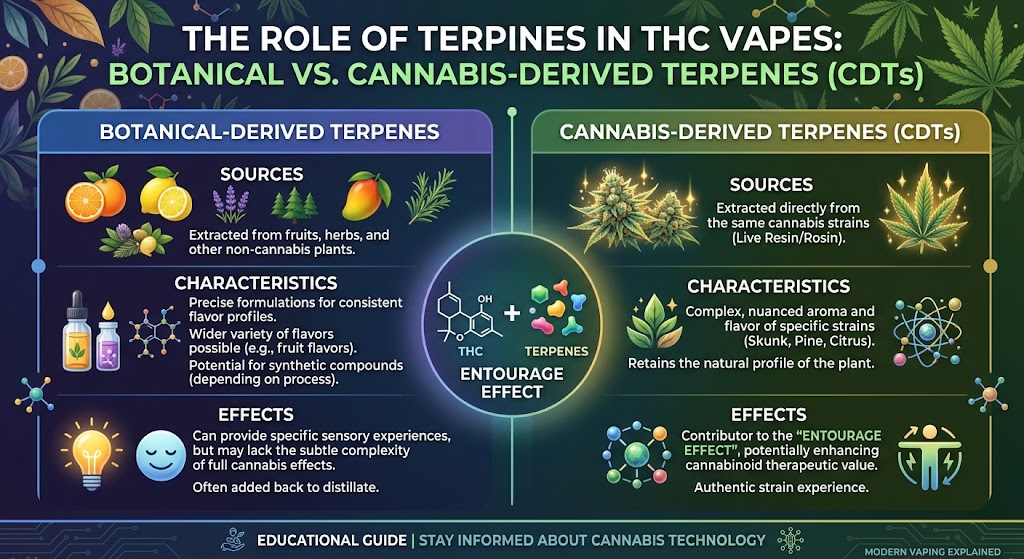
Terpenes play a central role in THC VAPES. These aromatic compounds shape flavor, aroma, and the overall experience. Cannabis-derived terpenes, or CDTs, come directly from the cannabis plant. Botanical terpenes come from other plants such as citrus peels or herbs. CDTs better match the original strain profile and support the entourage effect. Botanical versions cost less and offer consistent flavor. Premium carts often use CDTs or native terpenes from live extracts. This content is for legal and educational purposes only.
The difference shows up in both taste and effect with THC VAPES. Cannabis-derived terpenes deliver more complex and authentic strain character. They work alongside cannabinoids to create a fuller experience. Botanical terpenes provide clean, single-note flavors at a lower price point. Live resin and live rosin naturally retain higher levels of CDTs. Distillate products usually require added terpenes after refining. Buyers who value realism and depth often choose CDT formulations. Always check the product description or COA for the source.
Pricing tiers reflect the terpene choice in THC VAPES. Carts with true cannabis-derived terpenes sit at the higher end. Botanical versions keep costs down for everyday use. Understanding the source helps you match the product to your preference. This article provides educational information only and is not medical advice. Individual responses vary. Consult a healthcare professional for personal concerns. References include current extraction industry standards and terpene research. Choose verified products that list the terpene origin clearly.
Responsible use starts with understanding dosage for THC VAPES. Beginners should start with one short, low-voltage draw and wait at least ten to fifteen minutes. Effects arrive quickly through the lungs. Microdosing means taking very small amounts to stay in control. High-tolerance users may need more, but they still benefit from measured steps. Potency varies widely across carts. Always check the label and COA for strength. This content is for legal and educational purposes only.
Microdosing helps many people manage their experience with THC VAPES. One or two light puffs often deliver subtle effects without overwhelming intensity. Beginners gain confidence this way. Higher-tolerance users can still microdose to fine-tune their session rather than jumping to large amounts. Variable-voltage batteries support precise control. Store products securely and never drive or operate machinery after use. Individual responses differ based on body weight, metabolism, and prior experience. Start lower than you think you need.
Safe habits protect every user of THC VAPES. Keep sessions short and track how you feel. Avoid mixing with alcohol or other substances. This article provides educational information only and is not medical advice. Consult a healthcare professional before use, especially if you have health conditions or take medications. References include current responsible-use guidelines from state cannabis programs. Prioritize measured consumption for the best results.
Modern THC VAPES often combine THC with minor cannabinoids for more specific experiences. Blends that add CBD tend to feel balanced and moderated. CBN-focused formulas commonly target evening wind-down and rest. CBG pairings lean toward clear-headed focus during the day. These custom ratios let users match the product to their preferred outcome. Live resin and distillate bases both support these blends. Labels and COAs list the exact ratios. This content is for legal and educational purposes only.
Targeted effects drive the popularity of these THC VAPES. A higher CBD ratio often softens the intensity of THC. CBN blends appear frequently in nighttime carts. CBG combinations support daytime clarity for many users. Terpene profiles further shape the final experience. Quality products list every cannabinoid percentage clearly. Start with low amounts to learn how each blend feels. Individual responses still vary widely. Always verify third-party testing before purchase.
Choose minor-cannabinoid THC VAPES based on your preferred timing and goal. Sleep, focus, or relaxed balance each pair with different ratios. This article provides educational information only and is not medical advice. Consult a healthcare professional for personal health questions. References include current industry formulation practices and laboratory testing standards. Select verified products that publish full cannabinoid profiles for the best match.
Buyer guides help people navigate THC VAPES with confidence. Start by deciding between cartridges, pods, or disposables. Check the extraction type—distillate, live resin, or live rosin—next. Verify the Certificate of Analysis for potency and purity. Licensed dispensaries and compliant online retailers offer the safest options. Age verification and state shipping rules apply. Clear product details and transparent testing build trust. This content is for legal and educational purposes only.
Pricing for THC VAPES reflects quality and formulation. Basic distillate carts usually cost less. Live resin and live rosin sit at higher price points because of better terpene retention. Hardware quality and brand reputation also influence cost. Watch for full-panel lab results rather than the lowest sticker price. E-commerce buyers should confirm the seller follows age gates and state restrictions. Compare total value, including battery compatibility and oil volume. Avoid deals that seem too good to be true.
Smart shopping prioritizes safety and transparency with THC VAPES. Read reviews, check COAs, and match the product to your preferred effects. This article provides educational information only and is not medical advice. Consult a healthcare professional for personal concerns. References include current retail practices and laboratory testing standards. Choose verified sources and verified products for the best results.
Price for THC VAPES depends on several clear factors. Extraction method ranks first. Distillate carts usually cost the least because the process is efficient and scalable. Live resin sits in the middle due to fresh-frozen material and better terpene retention. Live rosin commands the highest prices as a solventless, labor-intensive product. Hardware quality, brand reputation, and full lab testing also raise the cost. State taxes and local market conditions add further variation. This content is for legal and educational purposes only.
Typical ranges help buyers evaluate THC VAPES. Basic 1-gram distillate cartridges often fall between $30 and $50. Live resin versions commonly run $50 to $80. Premium live rosin can reach $80 to $120 or more. Half-gram options cost less upfront but more per gram. Disposables follow similar patterns based on the oil inside. Always compare cost per milligram of THC and the presence of a full-panel COA. Lower prices without testing data often signal lower quality or higher risk.
Transparent pricing builds trust for THC VAPES. Look beyond the sticker price to extraction type, terpene source, and lab results. This article provides educational information only and is not medical advice. Consult a healthcare professional for personal concerns. References include current U.S. dispensary pricing patterns and industry cost drivers. Choose verified products that clearly explain what you pay for.
Disposable THC VAPES offer pure convenience. The battery and oil come sealed in one unit. Users simply draw and discard the device when the oil runs out. No extra hardware or charging is required. This simplicity suits occasional or on-the-go use. Rechargeable systems pair a reusable battery with replaceable 510-thread cartridges. The upfront cost is higher, yet the long-term expense per gram usually drops. Both styles appear widely in licensed markets. This content is for legal and educational purposes only.
Cost-efficiency favors rechargeable THC VAPES over time. A quality battery lasts through many cartridges. Disposables require a full new purchase each time. Sustainability also differs. Rechargeable setups generate less electronic waste. Disposables contribute more single-use batteries and plastic. Some brands now offer recycling programs, but participation remains limited. Live resin or live rosin options exist in both formats. Buyers who vape regularly save money and reduce waste with a solid battery and cart system.
Choose based on your habits with THC VAPES. Disposables win for simplicity and travel. Rechargeable carts deliver better value and lower environmental impact for frequent use. Always verify lab testing regardless of format. This article provides educational information only and is not medical advice. Consult a healthcare professional for personal concerns. References include current retail pricing patterns and hardware sustainability practices. Match the system to your needs for the smartest choice.
Proper storage keeps THC VAPES working longer. Always store cartridges upright. This position prevents oil from flooding the mouthpiece and reduces clogging. Keep them in a cool, dark place away from direct sunlight and heat. High temperatures thin the oil and can cause leaks. Extreme cold makes the oil thick and harder to draw. Room temperature works best for most users. This content is for legal and educational purposes only.
Light, air, and heat speed up degradation in THC VAPES. Terpenes and cannabinoids break down faster when exposed to these factors. Use the original packaging or an airtight container when possible. Avoid leaving carts in a hot car or near windows. Cap the cartridge tightly after every session. Clean the connection points occasionally to maintain good airflow. These simple steps preserve both flavor and potency over time. Check the oil level and appearance regularly for any changes.
Good habits extend the life of THC VAPES. Upright storage, stable temperatures, and limited light exposure make the biggest difference. This article provides educational information only and is not medical advice. Consult a healthcare professional for personal concerns. References include current hardware care guidelines and concentrate stability practices. Follow these steps to keep your cartridges fresh and clog-free.
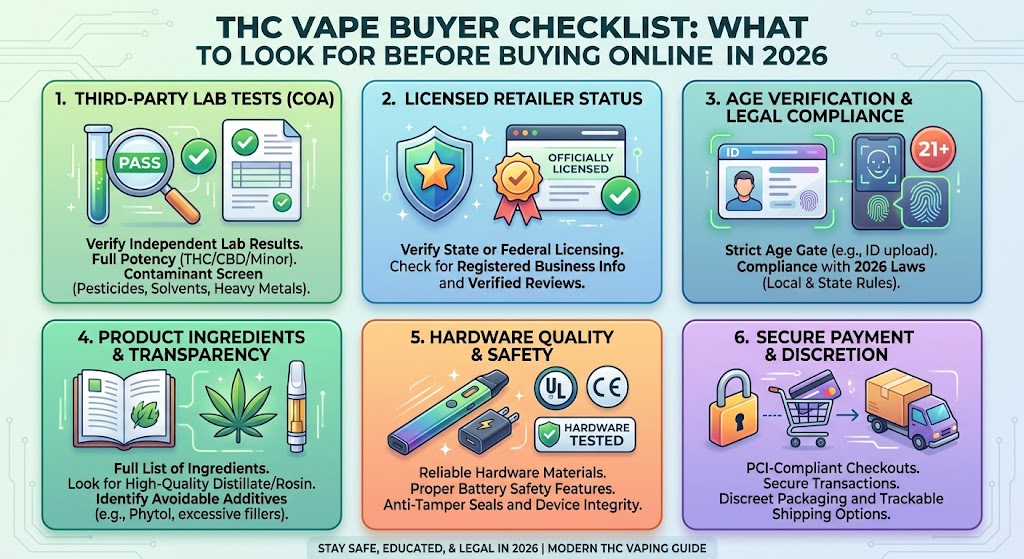
Start every online purchase of THC VAPES with a clear checklist. First confirm the product is legal in your state. Federal and state rules still differ widely in 2026. Next demand a recent, full-panel Certificate of Analysis. The COA must cover potency, residual solvents, pesticides, and heavy metals. Verify the lab is independent and accredited. Check that the batch number matches the product. This content is for legal and educational purposes only.
Hardware and formulation come next for THC VAPES. Prefer ceramic coils and solid construction to limit metal leaching. Decide between distillate, live resin, or live rosin based on your budget and flavor preference. Review the terpene source—cannabis-derived ranks higher than botanical. Confirm age-gate systems and secure payment on the website. Compare price against oil type and testing quality rather than chasing the lowest number. Avoid sellers who hide lab results or ship to restricted states.
Finish the checklist by reviewing the seller’s reputation and policies for THC VAPES. Look for clear return information and responsive customer support. This article provides educational information only and is not medical advice. Consult a healthcare professional for personal concerns. References include current state regulations, laboratory testing standards, and responsible retail practices. Use this list every time to make safer, smarter purchases online.
Trending Now
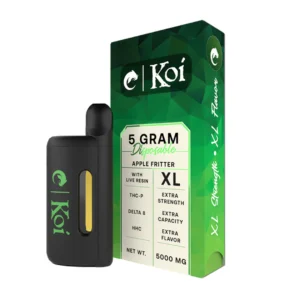
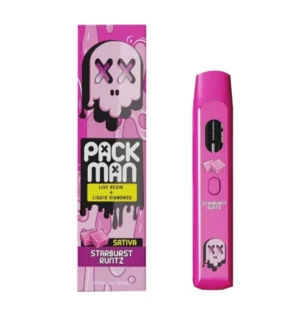
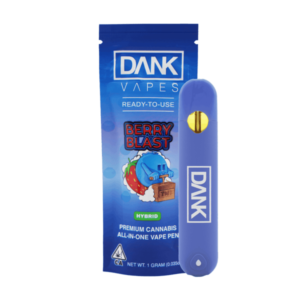
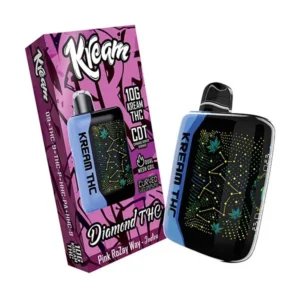
Yes, Delta-8 and THCa vape carts show up on standard workplace drug tests. Most screens detect THC metabolites rather than a specific isomer. Your body converts both Delta-8 and heated THCa into nearly identical metabolites. The common immunoassay used in employment testing cannot tell them apart from regular Delta-9 THC. A positive result for marijuana metabolites is the usual outcome. This holds true even for hemp-derived products labeled under 0.3 percent Delta-9. This content is for legal and educational purposes only.
Detection windows for these THC VAPES follow the same pattern as traditional cannabis. Occasional use often remains detectable in urine for several days. Regular use can extend the window to weeks. Blood and saliva tests have shorter windows. Hair tests reach back months. Confirmatory lab methods still flag the shared metabolites in most cases. No reliable way exists to guarantee a negative result after using these products. Employers and testing labs treat them as THC sources.
Anyone subject to workplace testing should treat Delta-8 and THCa THC VAPES the same as other THC products. This article provides educational information only and is not medical or legal advice. Consult a healthcare professional or qualified attorney for personal situations. References include current toxicology data and workplace testing guidelines. Assume a positive result is possible and plan accordingly.
THC from vapes stays detectable in urine for varying lengths of time. Occasional or single-use patterns usually clear within three to seven days. Moderate use a few times per week often extends the window to ten to fifteen days. Daily or heavy use can keep metabolites present for thirty days or longer. Urine tests look for the THC-COOH metabolite, not active THC itself. Body fat, metabolism, and product potency also influence results. This content is for legal and educational purposes only.
Frequency of use drives the detection window for THC VAPES more than any other factor. Casual vapers clear faster because less metabolite builds up in fat tissue. Regular users accumulate more, so the body takes longer to eliminate it. Standard workplace immunoassays use a 50 ng/mL cutoff for the initial screen. Confirmatory tests apply a stricter 15 ng/mL threshold. No detox method reliably shortens these timelines. Time and abstinence remain the only proven approaches.
Anyone facing a urine test should treat THC VAPES with caution based on their own usage history. This article provides educational information only and is not medical or legal advice. Consult a healthcare professional for personal situations. References include current toxicology data and workplace testing guidelines. Plan ahead according to your frequency of use and allow enough time for natural clearance.
No reliable method clears THC from vapor quickly for a drug test. The body stores THC metabolites in fat tissue and releases them slowly over time. Occasional users often need three to seven days of abstinence. Moderate users typically require ten to fifteen days. Heavy daily users may need thirty days or more. Hydration, exercise, and commercial detox products do not significantly speed this natural process. Time remains the only proven factor. This content is for legal and educational purposes only.
Many people search for fast detox strategies with THC VAPES before an upcoming test. Drinking extra water may dilute a sample temporarily but often triggers validity checks at the lab. Exercise can mobilize fat stores and sometimes increase metabolite levels in the short term. No scientific evidence supports rapid clearance claims from most detox kits or home remedies. Standard urine tests detect the THC-COOH metabolite at set cutoffs. Stopping all use and allowing enough time offers the highest chance of a negative result.
Plan ahead if you face testing after using THC VAPES. Calculate backward from the test date based on your personal usage frequency. This article provides educational information only and is not medical or legal advice. Consult a healthcare professional for personal situations. References include current toxicology research and workplace testing guidelines. Abstinence and time are the only approaches supported by evidence.
THC VAPES containing THCa or Delta-8 THC occupy a complex legal area in the United States. The 2018 Farm Bill (Agriculture Improvement Act of 2018, Pub. L. 115-334) removes hemp and qualifying hemp derivatives from the federal Controlled Substances Act definition of marijuana. Under the original hemp definition, cannabis and its derivatives must contain no more than 0.3% delta-9 THC by dry weight. However, this threshold does not guarantee that every THCa or Delta-8 vape is federally legal. Product composition, manufacturing methods, other federal laws, and applicable state restrictions all matter.
THCa and Delta-8 THC face different legal questions. THCa is a precursor that converts into intoxicating delta-9 THC when heated, including during vaping. Delta-8 THC is a psychoactive cannabinoid that manufacturers commonly produce from hemp-derived CBD. Federal hemp language and subsequent legal interpretations do not automatically protect every intoxicating product. The federal government’s current hemp framework also includes changes enacted through Public Law 119-37 in November 2025, with key amendments scheduled to take effect in November 2026. These changes make it essential to check the applicable effective date and current federal guidance before buying, selling, or shipping THC VAPES.
State law can impose stricter rules than federal hemp law. Some states prohibit Delta-8 THC, restrict intoxicating hemp-derived cannabinoids, limit THCa products, or require specific licenses, testing, labeling, and age verification. Carriers and online retailers may also refuse shipments to certain destinations, even when a seller believes a product qualifies as hemp. Before purchasing THC VAPES, consumers and businesses should review current state statutes, official regulatory guidance, and shipping policies. Useful primary references include the 2018 Farm Bill, the Controlled Substances Act, and Public Law 119-37. This article provides general legal and educational information, not legal or medical advice. THC VAPES can impair judgment and may pose health risks; consult a qualified attorney about compliance and a healthcare professional about health concerns.
Shipping THC VAPES through the United States requires more than checking whether a product qualifies as legal hemp. Federal law, state restrictions, and carrier policies all affect delivery. The Prevent All Cigarette Trafficking (PACT) Act covers electronic nicotine delivery systems, including devices that aerosolize and deliver THC or CBD, even without nicotine. The Bureau of Alcohol, Tobacco, Firearms and Explosives (ATF) confirms this interpretation. See the official ATF PACT Act guidance. Therefore, hemp-derived ingredients or state-licensed sales do not automatically make shipping THC VAPES lawful.
The U.S. Postal Service generally prohibits mailing vape devices and related products covered by federal postal restrictions. FedEx also prohibits shipping e-cigarettes, related components, and THC or marijuana products under its applicable policies. UPS prohibits hemp derivatives intended for consumption through an aerosolized solution within its U.S. network. It also prohibits synthetic or lab-made cannabinoid compounds and their derivatives. Review the USPS Publication 52 and FedEx shipping restrictions, alongside the UPS hemp shipping policy. Always verify current carrier rules.
The PACT Act also imposes registration, reporting, age-verification, delivery, recordkeeping, and applicable tax requirements on covered delivery sales. State laws may separately restrict THC VAPES, including THCa and Delta-8 products, or prohibit online sales and interstate shipments. A state cannabis license does not override federal postal restrictions or a carrier’s terms. Consumers should confirm product legality, destination rules, and the seller’s compliant delivery method before ordering. Read 15 U.S.C. Chapter 10A for statutory details. This article provides educational information, not legal or medical advice. THC VAPES may impair judgment and pose respiratory risks. Consult qualified professionals.
THC VAPES contain different cannabinoids, and each compound has distinct effects, potency, and legal considerations. Delta-9 THC is the primary intoxicating cannabinoid in cannabis. It produces the familiar cannabis high and can affect memory, coordination, and reaction time. Delta-8 THC is a closely related cannabinoid that also causes intoxication. Users often describe its effects as milder, but individual responses vary. THCa, or tetrahydrocannabinolic acid, is the non-intoxicating precursor to delta-9 THC in raw cannabis. When heat activates THCa during vaping, it converts into intoxicating THC. Therefore, THCa vape oil can produce significant psychoactive effects.
The main difference between these THC VAPES involves chemistry and how the body responds. Delta-9 THC directly produces intoxicating effects. Delta-8 THC also causes intoxication, but research on its potency and long-term safety remains limited. THCa itself does not produce the same intoxicating effects as delta-9 THC before heating. However, vaping exposes THCa to heat, which converts some of it into delta-9 THC. Actual strength depends on cannabinoid concentration, conversion efficiency, formulation, and device temperature. Product labels alone may not predict effects accurately. For background, see the National Center for Complementary and Integrative Health.
Federal and state laws also treat these compounds differently. The 2018 Farm Bill defines hemp using a threshold of no more than 0.3% delta-9 THC by dry weight, but that standard does not guarantee every hemp-derived vape is legal. Federal hemp-law amendments enacted in 2025 introduce further changes scheduled to take effect in November 2026. State restrictions may independently prohibit Delta-8 products or regulate THCa and cannabis vapes. Check the U.S. Code and relevant state regulations before purchasing THC VAPES. This article provides legal and educational information, not medical advice. THC products can impair driving and judgment. Vaping may harm respiratory health. Consult a qualified healthcare professional about individual risks.
THC VAPES may expose users to fewer combustion-related toxins than smoking cannabis flower or a joint. Smoking burns plant material and produces smoke containing fine particles, tar, carbon monoxide, and respiratory irritants. Vaporization heats cannabis extracts or flower without the same level of combustion. However, fewer combustion products do not mean risk-free inhalation. THC vape aerosols can contain ultrafine particles, solvents, flavoring chemicals, and potentially harmful contaminants. Their composition depends on the ingredients, device temperature, and manufacturing quality. Current evidence does not establish that THC VAPES are safe for long-term lung health compared with smoking cannabis.
Smoking cannabis regularly can irritate airways and is associated with cough, mucus production, and chronic bronchitis symptoms. THC VAPES avoid burning plant material, but their aerosols still reach sensitive lung tissue. Some cartridges contain thinning agents, residual solvents, pesticides, or metals from heating components. Illicit and unregulated products create additional concerns. The 2019 EVALI outbreak links many severe vaping-related lung injuries to THC products containing vitamin E acetate. The CDC investigation identifies this additive as strongly associated with the outbreak. Licensed products reduce certain quality risks but do not eliminate potential respiratory harm.
For people comparing THC VAPES with joints, the most cautious choice for lung health is to avoid inhaling either smoke or aerosol. The CDC cannabis health information explains the respiratory concerns linked to cannabis smoking. Long-term research directly comparing modern THC vape products with smoked flower remains limited. Avoid illicit cartridges, unknown additives, and modified devices. Seek medical care for chest pain, shortness of breath, persistent cough, or worsening breathing after vaping. This article provides general educational information, not medical advice or a guarantee of safety. Cannabis can impair coordination and judgment. Consult a qualified healthcare professional about personal risks, especially if respiratory symptoms develop.
Verifying THC VAPES starts with checking the seller and the product’s legal source. Buy only from a state-licensed cannabis retailer where adult-use or medical sales are legal. Avoid street dealers, unverified websites, unusually low prices, and cartridges with missing labels. Check the packaging for the manufacturer’s name, license information, batch or lot number, ingredient list, and required warnings. Look for intact security seals or holographic features when the licensed brand uses them. However, packaging alone cannot prove authenticity. Counterfeit sellers can copy logos, labels, and seals. Confirm the retailer’s license through the relevant state cannabis regulator.
Next, inspect the THC vape cartridge’s QR code and batch number. Scan the code and confirm that it opens the manufacturer’s or state regulator’s legitimate website, not an unrelated page. Check whether the linked certificate of analysis matches the exact product, batch, and testing laboratory. Review cannabinoid potency, pesticide screening, residual solvents, heavy metals, and microbial testing where applicable. A QR code or lab report can also be counterfeit, so verify the laboratory independently and contact the licensed manufacturer if details do not match. The FDA’s cannabis product information explains important regulatory limits and safety concerns.
Finally, do not rely on oil color, thickness, flavor, or hardware appearance to determine whether THC VAPES are genuine or safe. Contaminants may not produce visible changes, and authentic products can vary in appearance. Stop using a cartridge if its packaging is tampered with, its lab results cannot be verified, or its contents seem inconsistent with the label. Keep the product and receipt for reporting, but do not inhale it to test its quality. Report suspected counterfeit products to your state cannabis regulator or local health department. The CDC’s vaping-related lung injury guidance highlights risks linked to illicit THC products. This article is educational, not medical or legal advice. Seek medical care for breathing problems or chest pain.
 Optimized by Seraphinite Accelerator